
Finding Anxiety Treatment for Your Child in Bucks County: A Parent's Guide
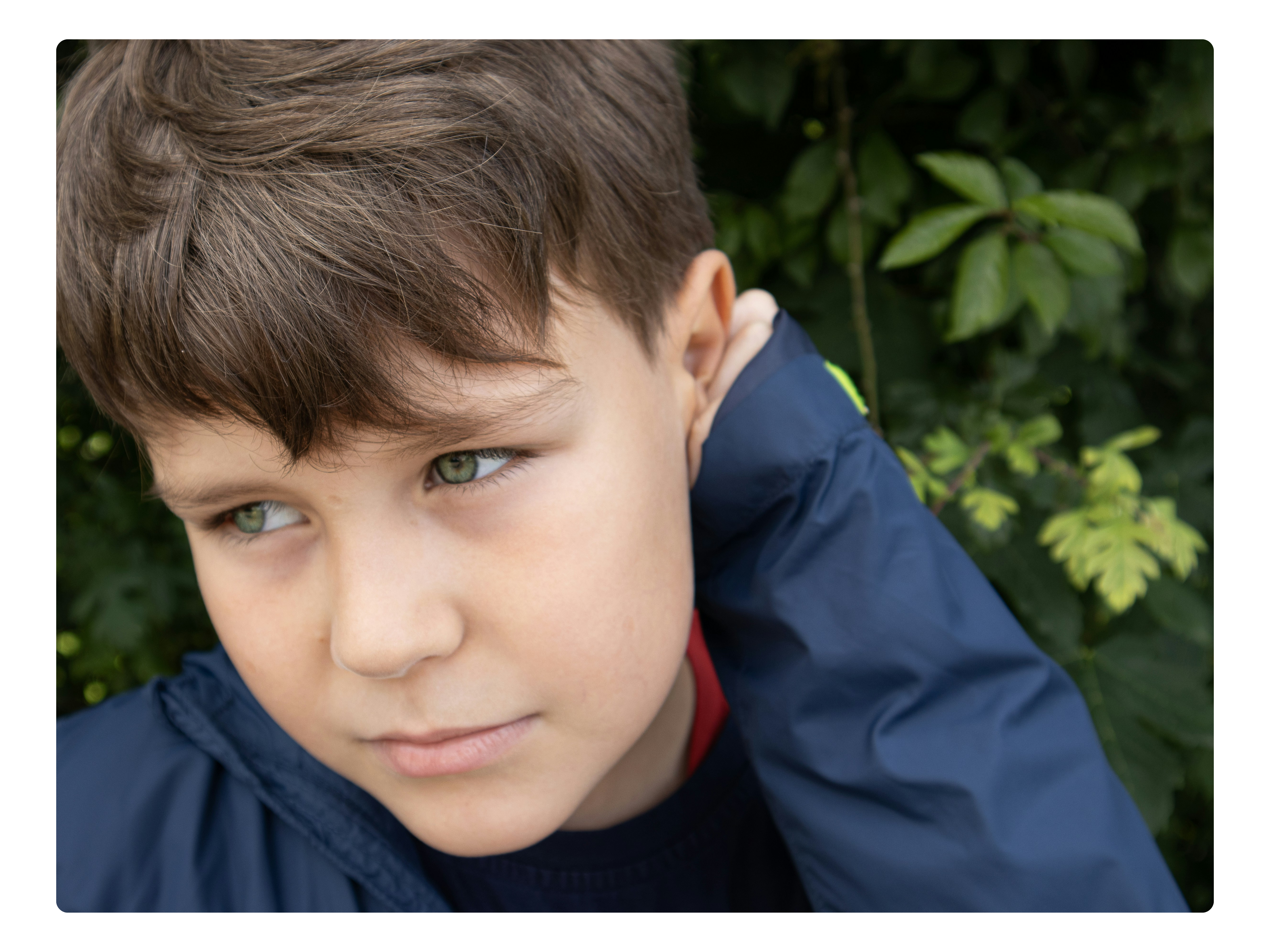
Watching your child struggle with worry that won't quiet down, school mornings that end in tears, or social situations they refuse to face, can feel overwhelming. You know something needs to change, but figuring out what kind of help they need and where to find quality anxiety treatment in Bucks County shouldn't add to that burden.
Maybe you've been told "it's just a phase" or "they'll grow out of it." Maybe you're second-guessing yourself, wondering if you're overreacting. If symptoms have lasted more than 2-3 weeks, or if anxiety is already changing your family's daily routines, that pattern is unlikely to resolve on its own. Seeking professional support at that point is a reasonable, important step.
For families in Doylestown, Langhorne, and throughout Bucks County, finding effective child anxiety therapy means understanding what comprehensive treatment looks like, which approaches actually work, and how to access providers who address root causes rather than just managing symptoms.
What to expect from quality anxiety treatment:
- Evidence-based therapy approaches like cognitive behavioral therapy (CBT)
- Assessment of co-occurring conditions that often appear alongside anxiety
- Parent strategies that reduce anxiety at home
- Practical skills your child can use immediately
- Coordinated care that addresses the whole child
Understanding Child Anxiety in Bucks County
Anxiety is the most common mental health condition affecting children and adolescents. According to CDC data, 11% of children ages 3-17 currently have diagnosed anxiety.1 That number increases significantly with age—rising to 16% in teenagers ages 12-17.2
In Bucks County, where academic expectations run high and overscheduled families navigate constant pressures, childhood anxiety manifests in countless ways. Some children refuse school. Others melt down over homework, avoid friendships, or complain of daily stomachaches with no medical cause.
| Physical Symptoms | Emotional Symptoms | Behavioral Symptoms |
|---|---|---|
| Headaches or stomachaches | Excessive worry or fear | School refusal or avoidance |
| Trouble sleeping or nightmares | Irritability or moodiness | Clinging to parents |
| Rapid heartbeat or sweating | Difficulty concentrating | Frequent reassurance-seeking |
| Muscle tension or restlessness | Feeling overwhelmed | Tantrums when facing fears |
| Fatigue without clear cause | Perfectionism or self-doubt | Avoiding social situations |
Many Bucks County parents describe months or even years of trying different strategies before seeking professional help. They've reassured, accommodated, and adjusted family routines to avoid triggering their child's anxiety. These efforts come from love, but research shows that accommodation—while reducing anxiety temporarily—actually strengthens it over time.
"Before coming to Blackbird, I knew that we were missing something with my child and I feel like they helped uncover what that missing piece was. From our initial appointment, I watched the clinicians follow all of the breadcrumbs in order to dig deeper into what is going on."
— Blackbird Health parent
The good news: childhood anxiety is highly treatable. With the right approach, most children develop skills to manage worry effectively and reclaim activities anxiety has stolen from them.
Types of Anxiety Disorders in Children
Not all childhood anxiety looks the same. Different types require different treatment approaches, which is why accurate diagnosis matters.
| Anxiety Disorder | Age Most Common | Key Features | Example Behaviors |
|---|---|---|---|
| Separation anxiety | Ages 5-7 | Excessive fear of being apart from parents | Refusing sleepovers, following parents room-to-room, nightmares about separation |
| Social anxiety | Ages 12-15 | Fear of judgment or embarrassment in social situations | Avoiding presentations, refusing birthday parties, panic before social events |
| Generalized anxiety (GAD) | Ages 8-13 | Excessive worry about multiple areas of life | Constant "what if" questions, difficulty making decisions, perfectionism |
| Specific phobias | Ages 5-9 | Intense fear of specific objects or situations | Extreme reactions to dogs, storms, medical procedures, or the dark |
| Panic disorder | Ages 13+ | Recurrent unexpected panic attacks | Sudden intense fear with physical symptoms, avoiding places where attacks occurred |
Separation Anxiety Disorder
While separation anxiety is normal in toddlers, it becomes a disorder when excessive fear of being apart from parents persists beyond typical developmental stages. School-age children with separation anxiety may refuse sleepovers, resist going to school, or follow parents from room to room at home. They often worry something terrible will happen to their parents while separated.
Social Anxiety Disorder
Social anxiety goes beyond shyness. Children with social anxiety fear being judged, embarrassed, or rejected in social situations. They may avoid speaking in class, refuse birthday party invitations, or experience panic symptoms before social events. In younger children, this might look like crying, tantrums, or refusing to speak outside the home.
Generalized Anxiety Disorder (GAD)
Children with GAD worry excessively about multiple things—school performance, friendships, family health, world events. The worry feels uncontrollable and interferes with daily functioning. They may ask "what if" questions constantly, seek reassurance repeatedly, or struggle to make decisions due to fear of making the wrong choice.
Specific Phobias
Specific phobias involve intense fear of particular objects or situations—dogs, thunderstorms, vomiting, the dark, medical procedures. The fear is out of proportion to actual danger and leads to avoidance that disrupts normal activities.
Panic Disorder
While less common in younger children, panic disorder involves recurrent unexpected panic attacks—sudden surges of intense fear with physical symptoms like racing heart, shortness of breath, dizziness, and feeling like you're dying. Children then develop persistent worry about future panic attacks and may avoid situations where attacks have occurred.
What Makes Anxiety Treatment Effective
The gold standard for child anxiety treatment is cognitive behavioral therapy (CBT), which has been proven effective in numerous research studies.3 CBT teaches children that thoughts, feelings, and behaviors are interconnected, and that changing one affects the others.
| CBT Component | What It Does | Example |
|---|---|---|
| Cognitive restructuring | Identifies and challenges anxious thoughts | "Everyone will laugh at me" becomes "Some kids might not notice, and my friends will support me" |
| Exposure therapy | Gradually faces feared situations in small steps | Child afraid of dogs starts by looking at dog pictures, then watching videos, then seeing a calm dog from distance |
| Relaxation skills | Teaches physical calming techniques | Deep breathing, progressive muscle relaxation, grounding exercises |
| Behavioral activation | Increases positive activities that reduce avoidance | Scheduling fun activities even when anxious, building confidence through action |
Core Components of CBT for Child Anxiety
Cognitive restructuring helps children identify anxious thoughts and examine whether they're accurate. A child who thinks "everyone will laugh at me if I give my presentation" learns to challenge that thought and replace it with more realistic thinking.
Exposure therapy is perhaps the most powerful anxiety treatment component. Children gradually face feared situations in small, manageable steps while learning that anxiety naturally decreases over time. This breaks the avoidance cycle that maintains anxiety.
Relaxation and coping skills give children practical tools—deep breathing, progressive muscle relaxation, grounding techniques—they can use when anxiety spikes.
Parent training equips caregivers with strategies to respond to anxiety in ways that help rather than accidentally reinforce it. Parents learn to validate feelings while encouraging brave behavior.
Research demonstrates that CBT delivered individually or in groups produces significant improvement, with a number needed to treat of 3—meaning for every 3 children receiving CBT, one additional child achieves remission compared to no treatment.4
The Role of Parents in Anxiety Treatment
Here's something many Bucks County families don't realize until they start therapy: parent involvement dramatically improves treatment outcomes for childhood anxiety.
When parents understand how anxiety works and learn specific response strategies, children improve faster and maintain gains longer. This doesn't mean you caused your child's anxiety—it means you're positioned to be part of the solution.
| Parent Strategy | How It Helps |
|---|---|
| Reducing accommodation | Stop participating in anxiety rituals (checking repeatedly, providing constant reassurance) so anxiety loses power |
| Praise brave behavior | Notice and celebrate when your child faces fears, even in small ways |
| Model healthy anxiety management | Demonstrate your own coping strategies when you feel worried or stressed |
| Maintain routines | Keep consistent sleep, meal, and activity schedules that provide structure |
| Collaborate with providers | Share observations about what triggers anxiety and what helps at home |
Some anxiety treatment programs work primarily with parents rather than children, teaching caregivers to change their responses to anxious behaviors. Research shows this approach—called SPACE (Supportive Parenting for Anxious Childhood Emotions)—can be as effective as traditional child-focused CBT for many anxiety disorders.5
Connecting the Pieces: Co-Occurring Conditions With Childhood Anxiety
Anxiety rarely travels alone. According to Blackbird Health's clinical data, 65% of children with anxiety also have another condition like ADHD, autism, or a mood disorder.6
Common combinations include:
Anxiety + ADHD (42% of cases): Inattention and impulsivity can trigger anxiety about school performance. Conversely, anxiety can look like ADHD when worry disrupts focus and task completion.
Anxiety + Depression (22% of cases): Persistent anxiety often leads to feelings of hopelessness and withdrawal. Both conditions share symptoms like irritability, sleep problems, and difficulty concentrating.
Anxiety + Learning Disabilities: Struggling to read, write, or process information creates legitimate anxiety about academic performance. Addressing the learning difference often reduces anxiety significantly.
Anxiety + Autism Spectrum Differences: Executive function challenges, sensory sensitivities, and social communication differences common in autism frequently co-occur with anxiety symptoms.
This overlap is precisely why comprehensive evaluation matters. Treating anxiety alone when ADHD or a learning disability is also present leaves families frustrated with partial improvement. Addressing all conditions together produces better outcomes.
At Blackbird Health, we look at the whole child—how their brain, body, and behavior work together. That's why we identify co-occurring conditions in nearly 9 out of 10 patients, connecting the breadcrumbs that others miss.
When Medication Helps Childhood Anxiety
While CBT is the first-line treatment for mild to moderate childhood anxiety, medication plays an important role for some children.
Clinical practice guidelines recommend considering medication when:7
- Anxiety symptoms are severe and significantly impair functioning
- The child is unable or unwilling to participate in therapy
- CBT alone hasn't produced sufficient improvement
- Panic attacks are present
- Co-occurring depression requires treatment
| Medication Type | Common Examples | How It Works | Typical Response Rate |
|---|---|---|---|
| SSRIs (first-line) | Fluoxetine, sertraline, escitalopram | Balances serotonin to reduce anxiety symptoms | 58% show significant improvement8 |
| SNRIs | Duloxetine (FDA-approved for ages 7+), venlafaxine | Affects serotonin and norepinephrine | Similar to SSRIs |
| Combined treatment | CBT + SSRI together | Medication reduces anxiety enough for therapy skills to work | 81% show significant improvement9 |
Research demonstrates that combined treatment (CBT plus medication) produces the best outcomes. In a landmark study, 81% of children receiving combined treatment showed significant improvement, compared to 60% with CBT alone, 55% with medication alone, and 24% with placebo.9
Medication management requires psychiatric evaluation to determine appropriate medication and dosing, regular monitoring for effectiveness and side effects, awareness of FDA warnings, collaboration between prescriber and therapist, and a plan for continuing medication 6-12 months after symptoms resolve.
Medication should never replace therapy. It works best as a tool that reduces anxiety enough for children to engage fully in CBT and practice facing fears.
Finding Quality Anxiety Therapy for Kids in Bucks County
Traditionally, Bucks County families faced 2-4 month wait times for child therapy appointments with experienced anxiety specialists. Newer pediatric mental health practices in Doylestown and Langhorne have eliminated these barriers. Many families now access comprehensive anxiety evaluations within 2-3 weeks of initial contact and begin treatment immediately—not months later.
| Quality Indicator | Why It Matters | Questions to Ask |
|---|---|---|
| Uses evidence-based CBT with exposure therapy | Research-proven effectiveness for anxiety disorders | "Do you practice CBT with exposure therapy, or primarily talk therapy?" |
| Includes parent involvement | Improves outcomes and maintains gains | "How do you involve parents in treatment?" |
| Screens for co-occurring conditions | Addresses all factors contributing to anxiety | "Do you evaluate for ADHD, learning differences, or other conditions?" |
| Offers coordinated care | Seamless treatment without gaps | "If my child needs medication, do I need to find another provider?" |
| Provides ongoing support | Booster sessions prevent relapse | "What happens after the initial treatment period ends?" |
Not all anxiety treatment is created equal. Doylestown and Langhorne families searching for child anxiety therapists should verify providers use evidence-based approaches and include parent training. Some providers use talk therapy or play therapy alone, which lack strong research support for anxiety disorders.
Effective anxiety treatment almost always involves teaching parents specific strategies. Be wary of therapists who work only with the child behind closed doors without parent collaboration.
Comprehensive evaluation identifies all factors contributing to anxiety, not just surface symptoms. Many evaluation-only providers diagnose anxiety but then refer families elsewhere for treatment, creating gaps in care and forcing you to start over with new providers who don't know your child's full story.
Practices that offer evaluation, therapy, and medication management under one roof provide the continuity and coordination that fragmented care cannot match. Unlike traditional models where your therapist can't prescribe medication and your psychiatrist doesn't provide therapy, comprehensive pediatric mental health centers have specialists who communicate daily about your child's progress.
What Happens in Child Anxiety Therapy Sessions
Understanding the therapy process helps reduce your child's (and your own) anxiety about starting treatment.
Initial Assessment (Sessions 1-2)
The therapist gathers detailed information about your child's anxiety—when it started, what triggers it, how it affects school and friendships, what you've tried before. They'll also screen for other conditions and assess family dynamics that might contribute to or help resolve anxiety.
Many providers use standardized questionnaires like the Screen for Child Anxiety Related Emotional Disorders (SCARED) or Spence Children's Anxiety Scale (SCAS) to measure symptom severity and track progress.
Building Skills (Sessions 3-6)
Your child learns to recognize physical signs of anxiety, identify anxious thoughts, and practice coping strategies. Younger children might use games, art, or play to explore feelings. Older children and teens work more directly on cognitive restructuring.
Parents typically participate in part of these sessions, learning how to support skill-building at home.
Exposure Work (Sessions 7-15)
This is where the real change happens. The therapist and your child create an "anxiety ladder"—a ranked list of feared situations from least to most anxiety-provoking. Then they systematically face each fear, starting with the easiest.
For a child with social anxiety, this might begin with making eye contact with a store clerk, progress to ordering food independently, then move toward speaking up in class or attending a birthday party.
The therapist supports your child through each exposure, teaching them that anxiety peaks and then naturally decreases when they don't avoid or escape. Each success builds confidence for tackling the next challenge.
Maintaining Progress (Sessions 16+)
As anxiety decreases, sessions focus on practicing skills in new situations, problem-solving setbacks, and preparing for future challenges. Many families continue with monthly check-in sessions to prevent relapse.
How Long Does Anxiety Treatment Take?
For most children with mild to moderate anxiety, significant improvement occurs within 8-12 weeks of consistent CBT.10
| Treatment Phase | Duration | What Happens |
|---|---|---|
| Assessment and skill-building | 2-6 weeks | Learn about anxiety, identify triggers, practice coping tools |
| Active exposure work | 6-10 weeks | Face fears systematically, build confidence through success |
| Maintenance and relapse prevention | Ongoing | Monthly check-ins, handle new challenges, reinforce gains |
The timeline depends on several factors: severity and duration of anxiety symptoms, presence of co-occurring conditions, family's ability to practice skills between sessions, whether medication is part of treatment, and child's age and developmental stage.
Blackbird Health Treatment Outcomes
According to Blackbird Health's clinical outcomes data, 85% of patients see meaningful improvement in symptoms within 6-12 weeks of beginning coordinated treatment.11 This accelerated timeline comes from addressing all contributing factors simultaneously rather than treating conditions in isolation.
By looking at how each child's brain, body, and behavior work together, Blackbird identifies co-occurring conditions that 89% of patients have—like when ADHD fuels anxiety or sensory differences trigger behavioral challenges. This comprehensive approach means families get answers faster and treatment works better from the start.
Blackbird Health also provides robust parent support throughout the treatment process. Parents can access dedicated parent therapy sessions, one-on-one parent support sessions alongside their child's treatment, and the SPACE program (Supportive Parenting for Anxious Childhood Emotions) led by SPACE-trained providers. These offerings ensure parents have the tools, knowledge, and guidance to actively support their child's progress at home.
Insurance Coverage for Child Anxiety Therapy in Bucks County
Most major insurance plans cover child anxiety treatment as part of mental health benefits. Therapy sessions typically qualify for the same copay or coinsurance as other mental health visits.
Before starting treatment, verify whether the provider is in-network with your specific plan, your mental health copay amount, whether prior authorization is required, how many therapy sessions your plan covers annually, and what your deductible and out-of-pocket maximum are.
Many Bucks County providers accept Aetna, Blue Cross Blue Shield, Cigna, United Healthcare, Highmark, and other major carriers. Practices that participate in insurance networks bill directly, minimizing your administrative burden.
When providers are out-of-network, some families submit claims for out-of-network reimbursement. Check your plan's out-of-network benefits—some plans cover 50-80% of allowed charges after a higher deductible.
Anxiety Treatment Creates Lasting Change
Childhood anxiety doesn't have to define your child's future. With proper treatment, anxious children develop into confident adolescents and adults who know how to manage worry when it appears.
The skills learned in anxiety treatment—challenging unhelpful thoughts, facing fears gradually, using coping strategies—serve children throughout life. They apply these tools to test anxiety in middle school, social pressures in high school, and work stress as adults.
Early intervention matters. Children who receive effective anxiety treatment avoid years of unnecessary suffering, maintain friendships, succeed academically, and develop healthy self-esteem. Families stop walking on eggshells and return to normal routines.
For Bucks County families in Doylestown, Langhorne, and surrounding communities, accessing expert child anxiety therapy no longer means months of waiting or driving to Philadelphia. Local providers with pediatric mental health expertise deliver evidence-based CBT that produces real results.
"They were incredibly meticulous to accurately diagnose the root cause to correctly and effectively provide the best treatment. Blackbird changed the course of our family's life forever."
— Blackbird Health parent
Your child's anxiety is not a character flaw or something they'll "grow out of" without help. It's a treatable condition with clear, effective interventions.
Schedule an Anxiety Evaluation
Sources
- Centers for Disease Control and Prevention. (2024). Data and Statistics on Children's Mental Health (National Survey of Children's Health, 2022-2023 data). https://www.cdc.gov/children-mental-health/data-research/index.html
- Child and Adolescent Health Measurement Initiative. (2022-2023). National Survey of Children's Health. Anxiety disorders were the most common mental health condition among adolescents ages 12-17, at 16.1%. Data Resource Center for Child and Adolescent Health supported by the U.S. Department of Health and Human Services, HRSA, MCHB. https://nschdata.org/
- Kowalchuk, A., Gonzalez, S.J., & Zoorob, R.J. (2022). Anxiety Disorders in Children and Adolescents. American Family Physician, 106(6), 657-664. https://www.aafp.org/pubs/afp/issues/2022/1200/anxiety-disorders-children-adolescents.html
- James, A.C., Reardon, T., Soler, A., James, G., & Creswell, C. (2020). Cognitive behavioural therapy for anxiety disorders in children and adolescents. Cochrane Database of Systematic Reviews, 11, CD013162. NNT of 3.0 (95% CI 1.75 to 3.03) for remission of any anxiety disorder diagnosis. https://www.cochranelibrary.com/cdsr/doi/10.1002/14651858.CD013162.pub2/full
- Lebowitz, E.R., Marin, C., Martino, A., Shimshoni, Y., & Silverman, W.K. (2020). Parent-Based Treatment as Efficacious as Cognitive-Behavioral Therapy for Childhood Anxiety. Journal of the American Academy of Child & Adolescent Psychiatry, 59(3), 362-372.
- Blackbird Health. (2025). Anxiety Treatment for Children and Adolescents. Internal clinical outcomes data from comprehensive pediatric mental health evaluations. https://blackbirdhealth.com/anxiety
- Wehry, A.M., Beesdo-Baum, K., Hennelly, M.M., Connolly, S.D., & Strawn, J.R. (2015). Assessment and treatment of anxiety disorders in children and adolescents. Current Psychiatry Reports, 17(7), 52.
- Ipser, J.C., Stein, D.J., Hawkridge, S., & Hoppe, L. (2009). Pharmacotherapy for anxiety disorders in children and adolescents. Cochrane Database of Systematic Reviews, 3, CD005170.
- Walkup, J.T., Albano, A.M., Piacentini, J., et al. (2008). Cognitive behavioral therapy, sertraline, or a combination in childhood anxiety. New England Journal of Medicine, 359(26), 2753-2766. The Child/Adolescent Anxiety Multimodal Study (CAMS) found response rates of 81% for combination treatment, 60% for CBT alone, 55% for sertraline alone, and 24% for placebo.
- Wang, Z., Whiteside, S.P.H., Sim, L., et al. (2017). Comparative effectiveness and safety of cognitive behavioral therapy and pharmacotherapy for childhood anxiety disorders: a systematic review and meta-analysis. JAMA Pediatrics, 171(11), 1049-1056.
- Blackbird Health. (2025). Treatment Outcomes Data. Internal clinical data based on comprehensive coordinated care models combining evidence-based therapy, family involvement, and medication management when appropriate, treating co-occurring conditions identified in 89% of patients. https://blackbirdhealth.com/anxiety
There is no down side to seeking help on behalf of your child. If you have questions about our intake model and our process, reach out any time: (484) 202-0751; info@blackbirdhealth.com. If you would like to get started and schedule an appointment, we're ready and waiting.