
Your child has a diagnosis. But something still feels off. Their struggles go beyond what one label explains. Treatment only helps so much. And you keep wondering why. If this sounds familiar, there may be a reason. Most children who need mental health...
Why “Just Take It Away” Usually Doesn’t Work for Screen or Video Game Addiction
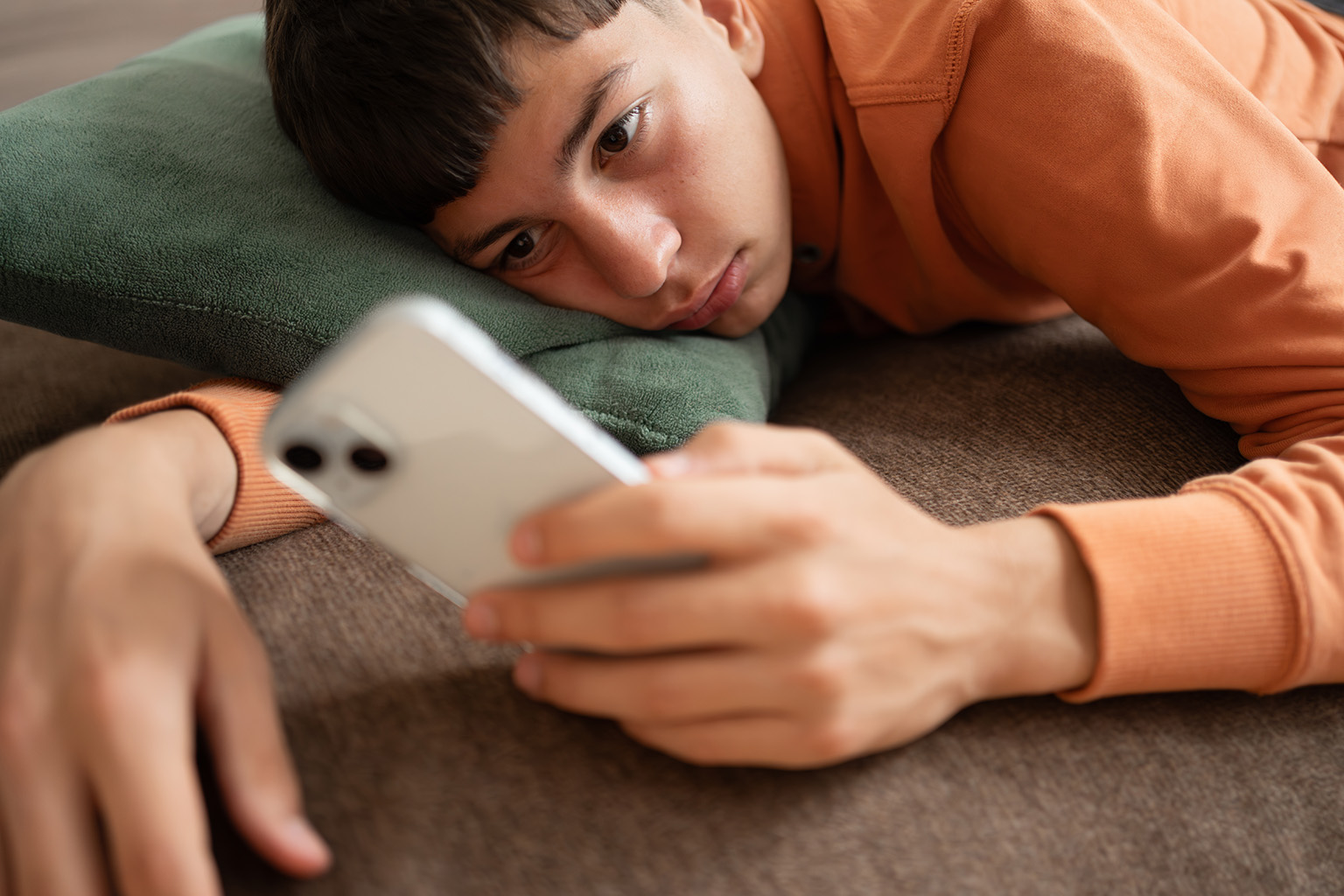
What therapists recommend when screen time leads to meltdowns, rage, shutdowns, or constant family conflict.
In this article, you will learn:
- Why problematic screen use is usually a symptom, not the problem itself
- Which kids are most vulnerable, and why
- How to tell the difference between heavy use and a real problem
- When to seek professional support
Social media, video games, and constantly streaming videos are a part of everyday life and everyday struggles for families with children. Screen and video game addiction, or overuse that you fear could become addiction, is a common challenge for families I see in my practice. And while it’s understandable to want to just take the devices away, that tactic often misses the real reasons for your child’s addictive behavior.
Taking screens away might seem like the obvious solution, but it usually doesn’t help
When screen and video game use becomes a real problem in a family dynamic, it’s natural to want to take the device away. If something is causing harm to your child, in most cases the appropriate response is to remove access to it. But in many cases, with addiction-level issues, the screen isn't the real problem. Instead, the screen is your child’s way of coping with something deeper that was already there.
Problematic screen overuse whether it's with social media, YouTube shorts, or video games can be a coping mechanism for kids dealing with larger issues. Maybe your child is dealing with anxiety, having a hard time socially at school, or has ADHD. Online spaces or video games help kids feel better, more calm, and serve as a distraction. Whatever is underneath, the device is doing real emotional work. When you take that device away, that emotional work still needs to get done. Only now, there's no coping mechanisms available. That's when things often get worse instead of better.
Abruptly taking screens away from kids usually leads to a predictable cycle: First, there’s a big outburst, then kids find ways around the rules, then they binge when they get access again, and finally the relationship between parent and child suffers. The conflict becomes unsustainable, access comes back, and nothing has actually changed.
The anger you see when you turn off your child’s device or take away screen time privileges, isn't your child throwing a tantrum or trying to manipulate you. Their behavior might actually be their nervous system reacting after losing the only tool helping them feel calm. Having empathy for your child’s need to use these devices is an important part of understanding their situation, as well as understanding how these devices and platforms work.
 What these platforms are designed to do
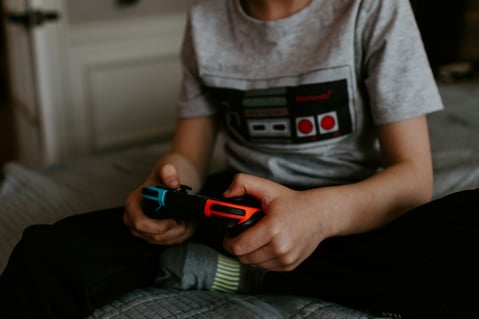
We need to be honest about what your child is up against. The apps, games, and platforms they use were designed by some of the world’s best behavioral scientists with one goal: to keep people on for as long as possible.
The reward loops, notifications, and other dopamine-inducing reactions aren’t accidents. I have blockers on my own devices because I can't rely on willpower either. Adults struggle with this, too. Expecting kids, especially kids who are already dysregulated, to just walk away from something engineered to be this compelling isn't realistic. The concern for kids and screens today is pervasive: A recent survey from the Child Mind Institute revealed that parents are now more worried about internet addiction than substance abuse. In fact, brain imaging research shows that video game play triggers dopamine release similar in magnitude to that of certain drugs. But not all kids react to screens and video games the same, and similarly not all time spent on these devices is equal.
Not all screen use is the same
There is a difference between screen and video game addiction, and simple over use. And importantly, just spending a lot of time on screens isn't automatically a problem.
Many kids, even those who game for hours, manage to keep up with school, stay connected to friends, and function in daily life. When the World Health Organization formally recognized gaming disorder, they made it clear: It’s not about the number of hours spent playing. There’s a difference between heavy use and problematic use. Families who need help aren't usually dealing with a child who simply loves gaming. It’s when the “love” of gaming begins to negatively impact other areas of a child’s life, overtaking their thoughts, creating conflict at home, limiting sleep, and creating compulsive behaviors a child can’t seem to control.
Why are some kids more vulnerable than others?
Screen and video game addiction doesn't happen for no reason. When our children become attached to screens and games it’s often because they were already struggling in another area whether it be social, emotional, neuro-developmental, or something else. Just like any addiction, it’s helpful to view the vice as a symptom of a larger problem.
ADHD and screen and video game addiction
Kids with ADHD are a good example. A child with ADHD has a brain that is wired in a way that makes accomplishing everyday tasks less rewarding. Their brains have few opportunities to feel that spike of satisfaction from doing a chore or completing a worksheet. In contrast, video games, which offer constant stimulation, quick feedback, and a clear sense of progress, fill a real stimulation need for their brains. Research shows that gaming disorder and ADHD have a lot in common, like impulsivity, wanting immediate rewards, and difficulty with motivation. For these reasons, it’s not surprising that children with ADHD are more likely to have an issue with screen addiction or gaming disorder.
Anxiety, Depression, and screen and video game addiction
Research from the Adolescent Brain Cognitive Development Study found that kids who are already experiencing anxiety, depression, or difficulty managing their emotions are most likely to develop problematic screen use. The common thread isn't the screens. It's the underlying struggle, and the fact that screens offer fast, reliable relief from it.
Autism and screen and video game addiction
For some kids on the autism spectrum, video games are easier to understand than real life, which can be so confusing. The clear rules and consistent feedback of a video game are genuinely easier to navigate than the unwritten rules of a social situation that keep changing. That's worth understanding rather than labeling it as a problem.
How to tell when it's a real problem
The main thing I look for is what we call functional impairment: whether screen use is getting in the way of the rest of your child's life. A child who games for hours but maintains friendships, keeps up at school, sleeps, eats, and can be present with your family is in a different situation than a child whose hygiene has slipped, who has no life outside the screen, and who becomes unreachable or explosive when the device comes out of their hands.
A recent CDC study found that teens who spend four or more hours a day on screens outside of schoolwork are more than twice as likely to report depression and anxiety symptoms compared to lower-use peers. That doesn't tell us which came first, but it's a pattern worth taking seriously alongside everything else you're seeing.
Specific signs worth taking seriously:
- Rage, panic, or complete shutdown when screens are removed
- Consistent sleep disruption tied to screen access
- Pulling away from friendships, hobbies, or activities they used to love
- School refusal or significant academic decline
- Inability to handle offline situations like boredom, downtime, or basic conversation
- Hiding devices or lying about use
If you’ve noticed several of these signs for more than a few weeks, it's a good idea to reach out to someone.
How Blackbird Health can help
At Blackbird Health, we often use a type of therapy called Dialectical Behavior Therapy because it gives everyone, parents and kids alike, concrete skills for emotional regulation and difficult conversations. Screen and video game addiction isn’t an issue that hurts one child in isolation, it’s something that often has a ripple effect throughout the whole family. The DEAR MAN framework comes up again and again when families need a structure for talking about devices without it turning into a fight. For older teenagers carrying a lot of shame about their use, Cognitive Behavioral Therapy can address the thinking patterns that keep the cycle going.
If you notice screen use is showing up alongside increased aggression, isolation, school refusal, serious sleep problems, or any safety concerns, don't wait for it to sort itself out. Those are signs that something underneath needs real attention and at Blackbird Health we’re here to help.
We treat children, adolescents, and families across Southeastern Pennsylvania, Northern Virginia, and New Jersey. Most families don’t come in just because of screen use concerns. They come in because their child is struggling with ADHD, anxiety, or depression, and screen overuse and addition has become part of that picture. When we work on the underlying issues, the screen use often improves too.
If any of this feels familiar, please reach out to our Care Navigators at (484) 202-0751 or info@blackbirdhealth.com. We can help you understand what's really happening and what steps to take next.
Frequently asked questions
Is my child addicted to video games or just really into them?
The difference whether gaming is getting in the way of the rest of their life. Heavy use isn't automatically a problem. Problematic use when hygiene has slipped, your child withdraws from everything else, or if they become explosive or unreachable when their device is taken away.
Why does my child rage or fall apart when I take away screens?
For many kids, especially those with ADHD, anxiety, or depression, screens are regulating their nervous system, providing relief from stress, or offering a social world that feels more manageable than real life. When you remove the device abruptly, their nervous system loses its primary coping tool.
Are video games addictive?
For some children video games may be addictive. This doesn’t mean every child will get addicted or that video games are the only type of screen addiction. While some experts believe that the disorder needs more research, there is a great deal of evidence to support “internet gaming disorder” as a classification. The World Health Organization (WHO) classified “internet gaming disorder” as an official disorder in 2018.
Can screen time cause ADHD or autism?
No. ADHD and autism are neurodevelopmental conditions which are not caused by screen use. What does happen is that kids with ADHD or autism are often more drawn to screens because gaming and online environments meet specific neurological needs: consistent feedback, clear rules, immediate rewards. The screen use is a response to how their brain works, not the cause of it.