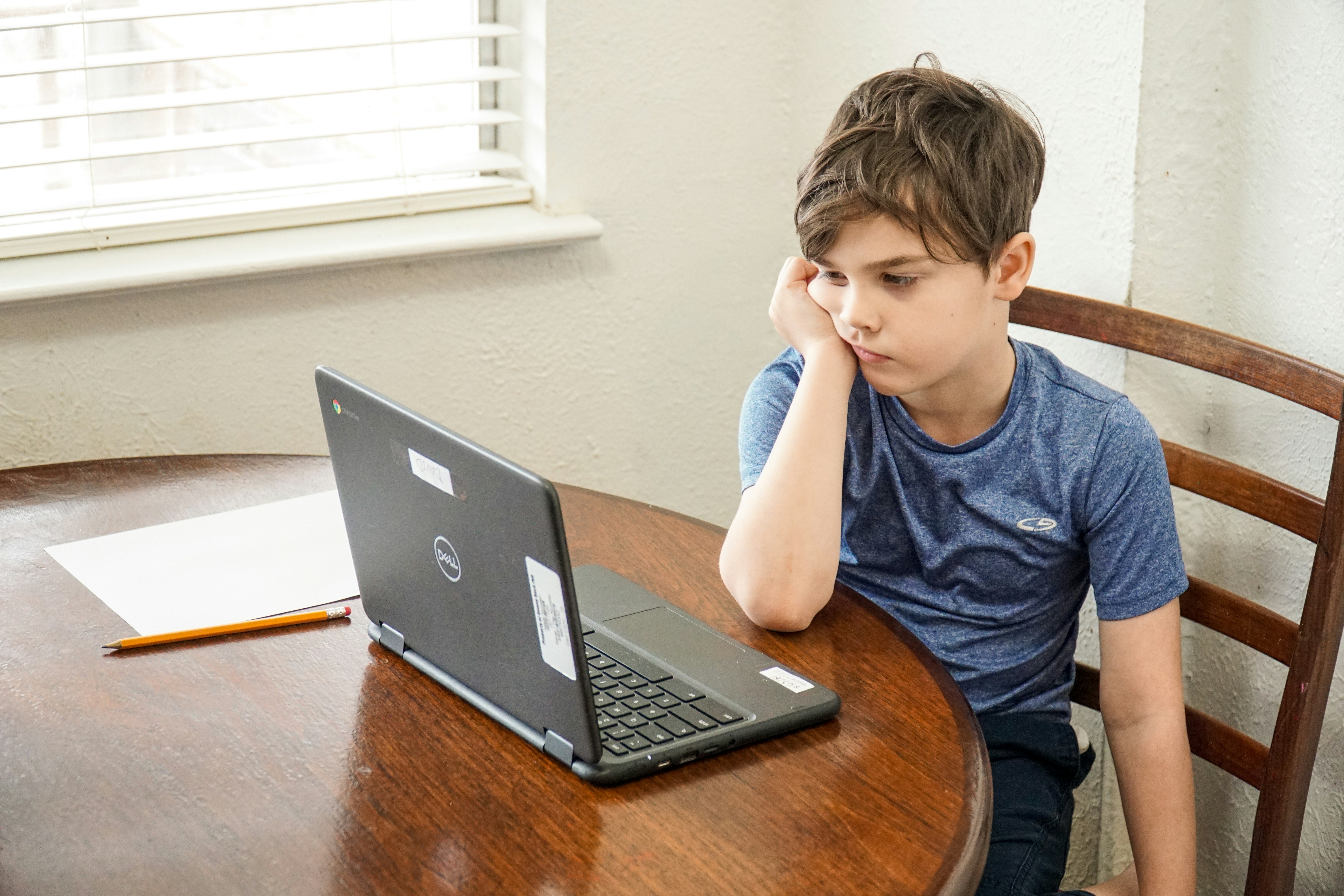

What therapists recommend when screen time leads to meltdowns, rage, shutdowns, or constant family conflict. In this article, you will learn: Why problematic screen use is usually a symptom, not the problem itself Which kids are most vulnerable, and why...
How to Support Kids During Unstructured School Break Time
Why Routines Still Matter During School Breaks
Unstructured time during school breaks — whether winter break, spring break, or summer break — can be a joyful transition from the predictability of the school year into open days with fewer obligations. But for many families — especially those parenting children with ADHD and neurodivergent profiles — this freedom can quickly feel overwhelming.
Kids and teens thrive when predictable routines and gentle structure support their days. Without them, unstructured time can lead to inconsistent sleep, increased screen use, emotional dysregulation, and family stress. Intentional routines help children feel secure, confident, and engaged throughout the break.
What Parents Should Know About School Break Routines
“Unstructured” doesn’t mean chaotic.
It means finding a rhythm that balances freedom with enough predictability that children and caregivers feel grounded.
Structured habits help maintain:
- Sleep and wake patterns
- Meal and snack schedules
- Daily physical activity
- Balance between screen time and creative play
- Time for connection and self-direction
This consistency supports emotional regulation, reduces the “school slide” after breaks, and keeps family life calmer and more enjoyable.
Practical Routine Strategies for Unstructured Break Time
1. Set Flexible Daily Anchors
Every day doesn’t need a rigid schedule. Instead, use daily anchors — predictable elements that orient your kids to the day:
- Morning wake windows
- Shared meals
- Afternoon playtime
- Evening wind-down rituals
These anchors make transitions smoother without feeling like a strict school schedule.
2. Create a Family Plan Together
Invite your children to help shape the break plan. When kids contribute ideas for their days, they:
- feel empowered
- understand expectations
- are more likely to follow through
Try co-creating a visual schedule or checklist for each day of the break.
3. Balance Activity and Downtime
Breaks are a chance to explore interests without homework pressure. To keep a fun vibe within a somewhat predictable framework, use this time to create a loose mix of:
- Hands-on projects
- Outdoor movement
- Creative play
- Quiet reading
- Family game time
This balance honors energy levels and supports self-regulation.
 4. Support Healthy Screen Time Habits
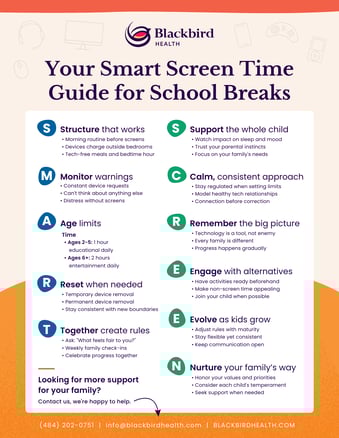
Screens can be fun and social, but unlimited use often leads to dysregulation, sleep disruption, and resistance to offline activities. A helpful approach is to set intentions around screen use:
- Agree on when screens fit
- Offer engaging alternatives
- Check in about how kids feel after screen time
These habits help screens become a supportive part of the day rather than a default. See our Smart Screen Time Guide and handy downloadable takeaway reminder.
5. Encourage Problem-Solving and Boredom Tolerance
Breaks are an opportunity to develop resilience and creativity. Try short periods of “scheduled boredom,” where kids have no screens or directed activities. This quiet time builds:
- Independent thinking
- Resourcefulness
- Comfort with unstructured play
Start with short blocks (10–15 minutes) and increase as kids adjust.
Routine Ideas for Different Ages
Younger Kids
- Use choice boards with play, art, and outdoor time
- Bedtime routines with calming rituals
- Movement breaks between activities
Older Kids and Teens
- Personal goal-setting (read a book, learn a skill)
- Tech check-ins instead of open-ended screen use
- Daily physical activity or time with friends
How Routines Help the Whole Family
A thoughtful approach to break routines:
✔ Keeps sleep and behavior predictable
✔ Reduces caregiver stress
✔ Builds confidence and self-direction in kids
✔ Gives space for family connection
Instead of resisting free time, routines help families embrace it with intention — letting kids rest, explore interests, and return to school refreshed.
Quick Takeaways: School Break Routine Tips
- Plan together: Kids are more engaged when they help set routines.
- Balance freedom and structure: Keep daily anchors but allow flexibility.
- Move daily: Physical activity supports mood and regulation.
Use screens with intention: Prioritize purposeful use over passive scrolling. - Embrace downtime: Quiet moments build creativity and resilience.
Ultimately, the goal of a school break routine is not to replicate the school day, but to create a predictable, gentle rhythm that supports your child’s emotional regulation and independence. By focusing on flexible daily anchors and collaborating with your kids on a plan, families can transform unstructured time from a source of stress into a powerful opportunity for connection, rest, and growth. Embrace the balance between freedom and structure, and watch your whole family return to the school year feeling refreshed and resilient.

Seeking additional support around mental heath issues is the greatest gift a parent can give their child and themselves. If you're wondering if therapy or an evaluation is right for your child, we're happy to answer questions. Reach out any time, (484) 202-0751, info@blackbirdhealth.com. If you're ready to get help, let's get started.