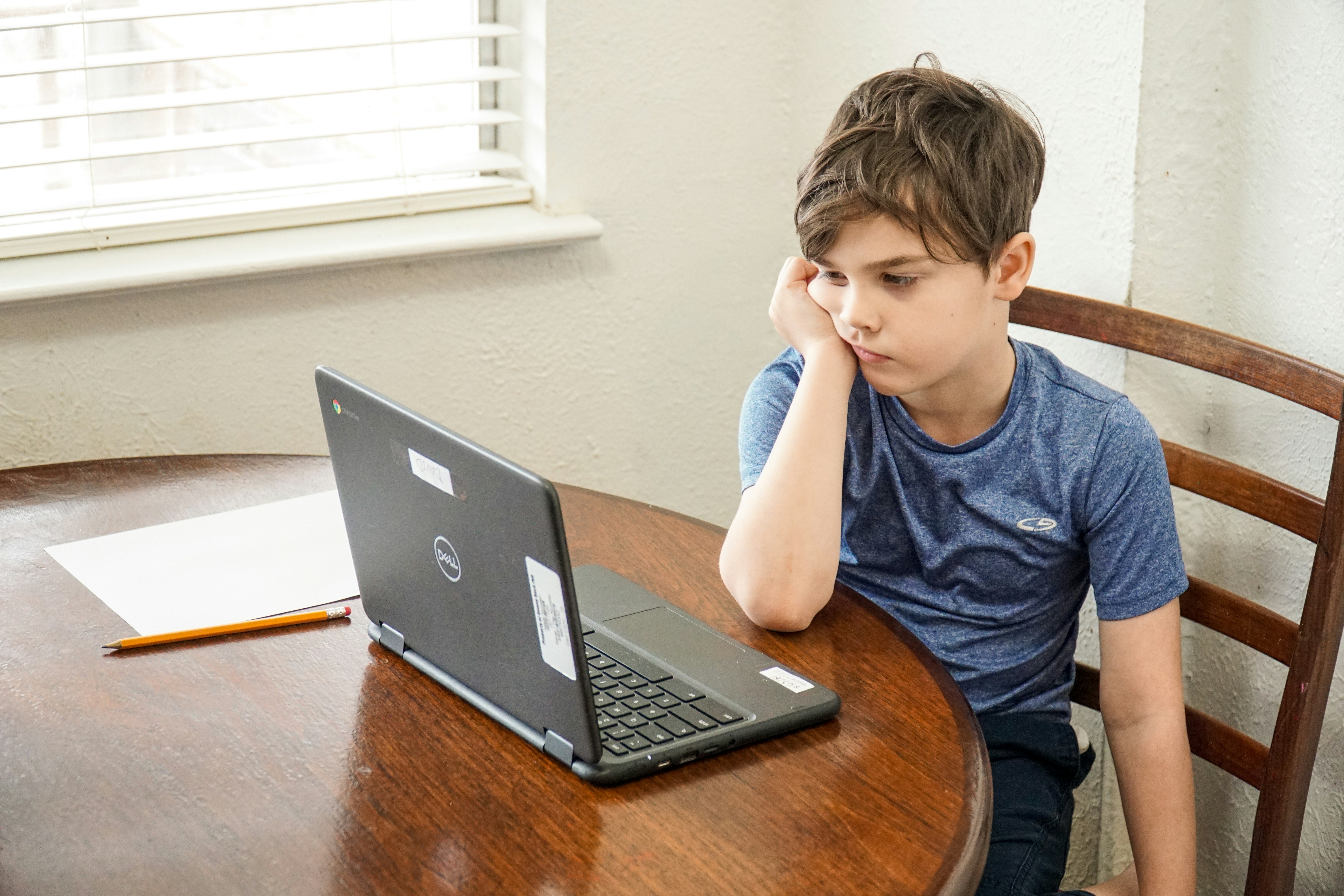

What therapists recommend when screen time leads to meltdowns, rage, shutdowns, or constant family conflict. In this article, you will learn: Why problematic screen use is usually a symptom, not the problem itself Which kids are most vulnerable, and why...
Your Smart Screen Time Guide for School Breaks

Screen time: Reach for intention and balance
When supporting your neurodivergent child during school vacations, rather than applying universal time limits, focus on understanding how different types of screen time affect your individual child. Some children use certain technologies to regulate their nervous systems, while others become dysregulated quickly.
Signs to watch for: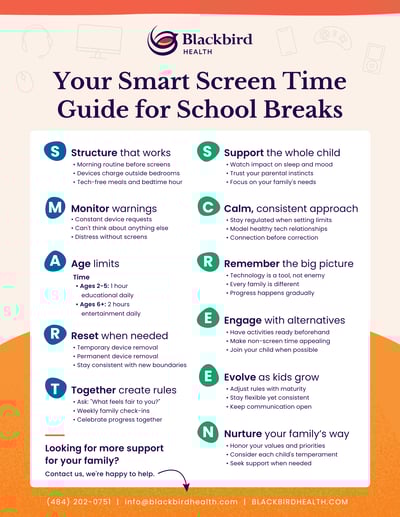
-
Supportive use: Child appears calmer afterward, transitions well to other activities, engages socially
-
Problematic patterns: Increased meltdowns, sleep disruption, complete resistance to non-screen activities
For families looking for additional guidance on one of summer's most common challenges, we've created this companion resource: “Screen Time Rules for Kids During School Breaks.” Download this PDF for support establishing guidelines for your family.
When screen time becomes obsessive
Some children develop intense preoccupations with gaming or devices that go beyond typical enjoyment. Warning signs include constantly asking for screen time throughout the day, inability to think about or engage with anything else, and significant distress when screens aren't available.
In my clinical experience, some families find that completely removing problematic devices—while difficult initially—leads to children who are significantly happier and healthier once they adjust. This isn't failure; it's recognizing when a particular technology isn't serving your child's well-being and making the brave choice to prioritize their mental health.
Methods to consider
Collaborate with your child to create agreements they understand when possible and set agreed-upon limits. Join them occasionally in their digital interests to maintain connection. Have appealing alternatives ready for transition times. However, trust your instincts—if screen time has become an obsession that dominates your child's thoughts and disrupts family life, more decisive action may be necessary.
For a more detailed guide to managing an unstructured household schedule, read our companion piece: Household Routines for ADHD and Neurodivergent Kids.

We're standing by for when you're ready
If your child is experiencing challenges with executive functioning or behavior regulation, call, email, or fill out our short form to get started: (484) 202-0751, info@blackbirdhealth.com. When you're ready, we're here to help.